For the bigger picture and full context, make sure you read our main guide on Lol Arena Ranks: Understanding the Tier System in League of Legends.
Striving for glory in LoL Arena? Then you're probably wondering: what is max rank in Arena LoL? It's Gladiator, the apex tier where only the most skilled and strategic duos (or teams of 8 in newer versions) reside. Reaching Gladiator isn't just about raw skill; it's a testament to teamwork, adaptability, and a deep understanding of the Arena's unique meta.
At a glance:
- Gladiator is the highest achievable rank in LoL Arena.
- Reaching Gladiator unlocks bragging rights and potentially exclusive seasonal rewards.
- Climbing to Gladiator requires accumulating a specific amount of Gladiator Points (or Fame) – typically 4000+.
- Team synergy, communication, and adapting to the Arena meta are essential for success.
- Even in Gladiator, maintaining your rank demands consistent top performances.
The Road to Gladiator: Understanding the Arena Ranking System
The Arena ranking system is designed to be more streamlined and less punishing than Summoner's Rift. This makes it easier to track your progress and focus on improving your gameplay. To fully understand the journey to Gladiator, let's break down the key components of the ranking system. If you want a broader look at the entire system, you can Understand LoL Arena Rankings.
The Tiers:
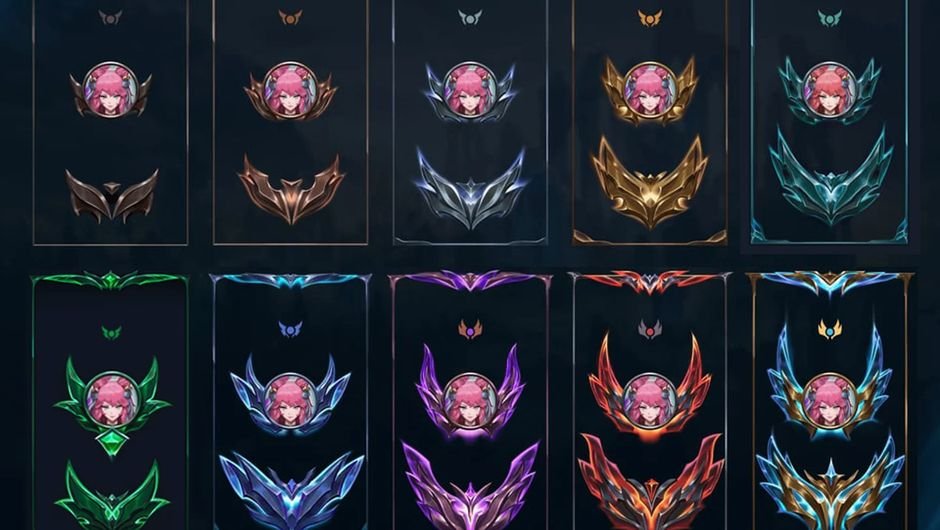
Arena uses a five-tier ranking system:
- Wood: The starting point for all players.
- Bronze: A stepping stone on your climb.
- Silver: Signifies improving skills and teamwork.
- Gold: Indicates a strong understanding of the mode.
- Gladiator: The ultimate goal, reserved for the best.
Gladiator Points (or Fame):
Progression through these tiers is determined by Gladiator Points (sometimes referred to as Fame). Earning these points is directly tied to your performance in Arena matches. Historically, securing one of the top two spots earned points, but more recent updates award points for top four finishes, incentivizing consistent performance.
Point Requirements for Gladiator:
The specific point requirement for reaching Gladiator can vary slightly between seasons and updates, but a general guideline is 4000+ Gladiator Points (or a comparable Fame value if that system is in place). Don't get too comfortable once you're there, though! Maintaining your Gladiator status requires consistent top placements.
No Divisions (Mostly):
Unlike Summoner's Rift, Arena eschews divisions within each tier. This eliminates the "stuck in Silver III" feeling and makes progression feel more direct. You simply accumulate points and advance to the next tier once you reach the threshold.
Strategies for Ascending to Gladiator
Reaching Gladiator demands more than just individual skill. It's about mastering the Arena's unique environment and leveraging strategic teamwork.
1. Champion Synergy is Key
Unlike Summoner's Rift, you're locked into a 2v2 (or larger team, depending on the version) from the start. This makes champion synergy paramount. Consider these factors when drafting:
- Damage Types: Balance physical and magical damage to avoid being easily countered.
- Crowd Control (CC): A mix of stuns, slows, and knock-ups can lock down opponents and create opportunities.
- Sustain: Having a source of healing or shielding is crucial for surviving prolonged engagements.
Example Synergies: - Aggressive: Pantheon + Leona (heavy engage and burst damage)
- Poke & Control: Caitlyn + Lux (long-range damage and CC)
- Sustain & Peel: Taric + Master Yi (damage mitigation and hyper-carry potential)
2. Communication is Non-Negotiable
Arena's fast-paced nature demands constant communication with your teammate. Use voice chat or pings to coordinate: - Target Focus: Designate a primary target to maximize burst damage.
- Ability Cooldowns: Track your teammate's key cooldowns to plan engages and disengages.
- Objective Control: Call out when to contest or retreat from empowered plants.
3. Adapt to the Arena Meta
The Arena meta is constantly evolving as players discover new strategies and champion combinations. To stay ahead of the curve: - Watch High-Elo Games: Observe what strategies and champion picks are successful at higher ranks.
- Experiment in Normals: Try out new builds and champion combinations in normal Arena games before taking them into ranked.
- Be Flexible: Don't be afraid to adjust your strategy based on the game's flow and your opponents' composition.
4. Master Augments and Anvils
Augments and Anvils provide significant power spikes and strategic opportunities. Understanding how to use them effectively is critical to success. - Augments: These provide passive bonuses that can dramatically alter your champion's playstyle. Some augments are generally strong, while others synergize particularly well with specific champions or team compositions.
- Anvils: These allow you to reroll your augment choices, giving you more control over your power progression. Use them wisely to find the perfect augment for your situation.
Example Augment Choices: - "The Ol' One-Two": Abilities grant 70% attack speed for 3 seconds. Great for hybrid damage dealers.
- "Goliath": Gain increased health and size. Good for tanks and bruisers.
Common Pitfalls and How to Avoid Them
Even skilled players can stumble on their climb to Gladiator. Here are some common mistakes and how to correct them:
- Tunnel Visioning: Focusing solely on individual performance and neglecting teamwork. Solution: Prioritize communication and coordinated plays.
- Rigid Builds: Sticking to a fixed build path regardless of the game's situation. Solution: Adapt your build to counter your opponents and maximize your effectiveness.
- Poor Augment Choices: Selecting augments that don't synergize with your champion or team composition. Solution: Carefully consider the long-term implications of each augment choice.
- Tilt Queuing: Continuing to play while frustrated or tilted after a loss. Solution: Take a break and clear your head before queuing up again.
Gladiator-Specific Challenges
Reaching Gladiator is an achievement, but it's not the end of the road. Maintaining your rank requires constant vigilance and adaptation.
- Increasingly Skilled Opponents: You'll face tougher opponents who are also vying for the top spots.
- Meta Shifts: The Arena meta can shift rapidly, requiring you to adapt your strategies to stay competitive.
- Pressure to Perform: The pressure to maintain your rank can be intense.
Quick Answers: Your Arena Rank Questions Answered
- Can I lose Gladiator rank? Yes, in some versions of the game. Losing enough points can demote you from Gladiator so consistent performance is key.
- Does MMR affect my Arena ranking? Yes, a hidden MMR system ensures you're matched with players of similar skill, influencing your point gains and losses.
- How often are Arena ranks reset? Arena ranks are typically reset with each new iteration or major update of the game mode.
- Does team composition matter in Arena LoL? Absolutely. A well-synergized team will always have an edge. Consider damage types, crowd control, and sustain.
- What are some good resources for learning Arena strategies? Watch high-elo streamers, read guides, and experiment in normal games!
Your Gladiator Playbook: A Quick Start
Ready to begin your journey to Gladiator? Here's a simple checklist:
- Find a Consistent Duo (or Team): Chemistry and communication are critical.
- Identify Strong Champion Synergies: Experiment and find what works best for you.
- Master Basic Arena Mechanics: Understand how augments, anvils, and empowered plants work.
- Stay Updated on the Meta: Follow high-elo players and read guides.
- Practice and Refine Your Strategies: There's no substitute for experience.
Reaching Gladiator in LoL Arena is a rewarding challenge that requires skill, strategy, and teamwork. By understanding the ranking system, mastering key strategies, and avoiding common pitfalls, you can increase your chances of reaching the top and claiming your place among the Arena's elite. Good luck, summoner!